
Integrative strategic negotiation: Transforming biopharma’s approach
by Darci T Horne
 Back to insights
What if biopharma is approaching access negotiations the wrong way? In today's complex and highly scrutinised environment, treating negotiations as isolated events is no longer enough. This article introduces integrative strategic negotiation - a more connected approach that links decisions across functions, products and time to unlock greater value, improve patient access and deliver stronger commercial outcomes.
Biopharmaceutical companies today face an increasingly complex global access environment shaped by multiple complex factors: dynamic policy and regulatory landscapes, evolving payer expectations, rapidly advancing science, tightening budgets, increased requirements for data and evidence, mounting pressures to demonstrate tangible benefit to the healthcare system and geopolitical uncertainty.
Traditional strategies and approaches to access negotiations struggle to meet the challenges of this environment. Often siloed by brand, function and geography, these standard approaches focus on the planning, preparation and execution of every access negotiation as if each is distinct from every other negotiation. Such approaches lead to misalignment across global, regional and local teams, inconsistency in delivery of value messages to key stakeholders and sub-optimal negotiation outcomes when distinct functional perspectives and priorities are not considered early enough to impact timelines and strategies.
But what if it were possible to reframe this standard approach to access negotiations in a way that maximizes value and positions for sustainable, long-term success and improved outcomes?
It is indeed possible.
What it requires is corporate cultural change - a mindset shift - in how biopharma leadership and negotiators approach planning, execution and accountability for negotiation outcomes.
This mindset shift can be achieved by approaching negotiations differently:
- Moving away from transactional engagements focused on price and volume and toward strategic and value-accretive agreements. For example, outcomes-based agreements that focus on the measurable value a therapy delivers to patients.
- Considering the interdependence of negotiations over time, across variables, and within portfolios to enrich value-based collaboration over time. For example, negotiate framework agreements that account for access to future pipeline assets, thereby creating more collaborative interdependency built to enable long term patient access.
- Connecting cross-functional, cross-product and cross-geography strategies to align differential messaging, evidence and payer narratives. For example, develop cohesive clinical stories and evidence-based messaging plans across markets and functions to reinforce value and reduce fragmented, inconsistent positioning approaches.
- Integrating insights, decisions, value definitions and incentives to improve patient access and enhance outcomes. For example, maintain an ongoing feedback loop that integrates key insights derived from real world data and evidence to adjust and expand access criteria.
- Aligning shared definitions of value and stronger value demonstration with payers to create more favorable negotiation results across products and markets. For example, define and align on creative value measurements that more effectively assess value of disease-modifying products compared to traditional models and measures.
From siloes to synergy: Integrative negotiation.
The Gap Partnership brings decades of cross-industry negotiation experience. Our proven methodology demonstrates that when global organizations develop and execute cohesively integrated negotiation strategies that combine structured planning, proactive messaging, stakeholder engagement, risk assessment and mitigation and timelines, they amplify the impact of distinct negotiations and achieve stronger commercial outcomes.
Integrative negotiation is a structured, holistic approach that reframes the scope of planning and preparation for negotiations. It shifts from considering independent strategies for each negotiation to considering every negotiation relative to each other and across all strategic elements of those negotiations over time. Integrative negotiation aligns disparate activities, influences, interactions, perspectives, variables and outcomes over time to leverage synergies across negotiations to create and maximize long-term value.
As depicted in figure 1, the shift from siloes to synergy encompasses every element of negotiation planning and execution, from start to finish.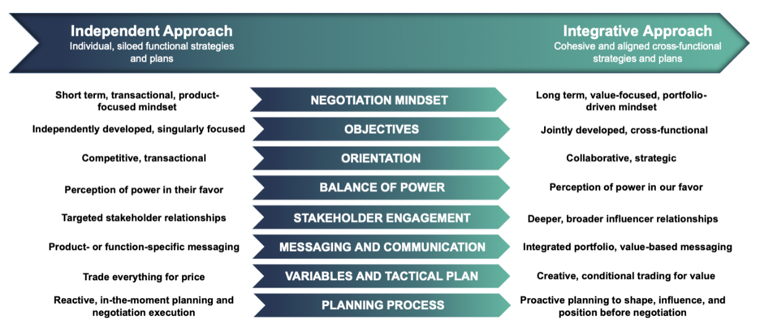
Figure 1: Shifting from siloes to synergy through integrative negotiation strategy
Integrative negotiation strategy in biopharma
The biopharma environment is unique and, in many ways, more complex than other industries. Even so, the mindset, principles and strategic planning approach of integrative negotiation are transferable and equally applicable. The focus on proactivity, long-term vision, aligned objectives, value creation and effective stakeholder management to maximize influence is as transformative in the biopharma context as any other industry.
Patients sit at the center of interconnected and interdependent access, pricing and reimbursement negotiations. The value narrative that drives those interactions is rooted in scientific excellence, clinical outcomes and robust medical evidence. Linking the patient-centered focus with a long-term mindset aligned with proactive integrative negotiation planning effectively supports patient access goals and sustainable commercial outcomes.
In market access, an integrative approach creates a long-term, connected view of the negotiation landscape through cohesive cross-functional access strategies instead of independent functional ones. Every access negotiation is designed and executed in the context of past and future interactions across products, indications, timelines, geographies, healthcare systems, positions and outcomes.
Figure 2 highlights the priority synergy areas for integrative access strategies.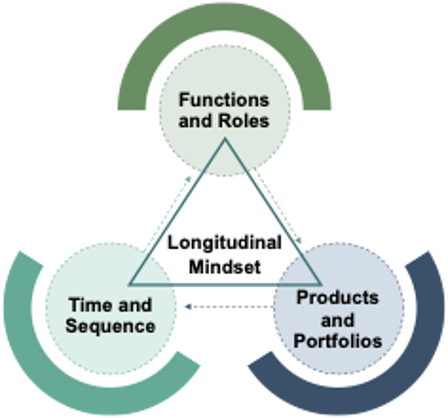
Figure 2: Key components of integrative negotiation strategies in market access
Cross-functional integration ensures alignment across market access, pricing, medical, commercial, policy, public affairs, brand teams, HEOR, regulatory and others who engage to shape and influence these negotiations. Collaboration extends from early development through launch, unifying decision-making across functions, roles, and geographies and harmonizing objectives and success metrics.
Product and portfolio integration aligns value narratives, trading variables and value-based incentives, and priorities across therapeutic areas, products, indications, portfolios and life cycles to maximize exposure and messaging consistency and reinforce long-term clinical and economic value.
Timeline and sequence integration supports preconditioning plans, positioning and shaping messages, value narratives, and multi-year scenario planning to sequence stakeholder engagement and negotiation timelines appropriately, accounting for new evidence and real-world data, changes in policy and regulation, and evolving therapeutic landscapes.
Longitudinal mindset breaks down barriers of time to focus on sustained value creation, deeper and broader stakeholder relationships, and long-term outcomes rather than short-term results.
Such deep strategic integration enables teams to identify, connect and leverage common threads and intersections across negotiations, among stakeholders and throughout critical engagements to position value, influence perceptions and shape the negotiation table.
For example, consider that payer decisions and stakeholder reactions are often influenced by more than product-specific evidence and price alone (e.g., value narrative, manufacturer’s reputation, relationships, influence of key opinion leaders, precedents from prior agreements, expected pipeline). Spending adequate time understanding and anticipating priorities and perspectives of key stakeholders and building messaging and positioning plans accordingly will positively impact perceptions of value and the downstream negotiation results.
Figure 3 illustrates the practical application of integrative strategic negotiation for market access. The approach proactively focuses every access negotiation on patient centricity and achieving sustainable commercial outcomes.
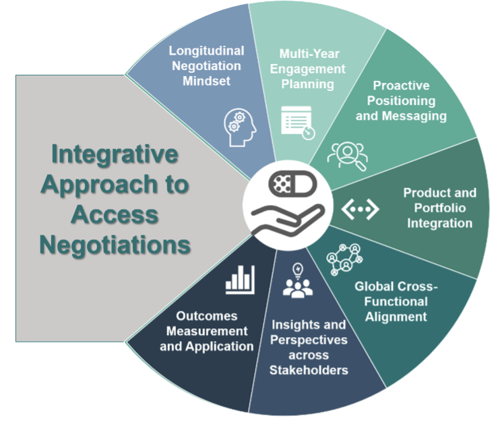
Figure 3: Building blocks of integrative negotiation in market access
The integrative approach is built on seven key elements to create cohesive, multi-faceted, strategically aligned negotiation plans that ensure every negotiation advances patient access and achieves commercial outcomes.
- Establish a longitudinal negotiation mindset focused on achieving long-term, value-based commercial and patient-centered outcomes.
- Set expectations and plan for multi-year engagements that consider the dynamic policy and regulatory environments and anticipate the introduction of new evidence to demonstrate real-world value.
- Integrate proactive positioning and messaging to consistently maximize the impact of every cross-functional interaction to influence favorable perceptions of value and support collaboration.
- Coordinate planning and strategy across products, indications, portfolios, and therapeutic areas to leverage influence of decisions and precedents to reinforce long-term value and amplify market growth.
- Harmonize global, regional, local, and functional strategies to align on objectives and trade-offs to reduce fragmented execution and ensure consistency.
- Leverage data-driven insights and perspectives from all key stakeholders in decision-making and strategy planning to improve positioning, optimize engagement, manage expectations, and maximize outcomes, including patients, healthcare providers, regulators, payers, policy makers and manufacturers.
- Document, review, and objectively measure outcomes and lessons learned to inform and strengthen downstream negotiation strategy development and execution and to leverage precedents.
Proactive preparation and effective execution of an integrated strategy as illustrated can fundamentally change the dynamics of interactions with payers and other key influencers and decision makers, driving earlier engagement, creating more value, improving patient access, and enhancing collaboration.
Operationalizing integrative strategic planning
To maximize the impact of integrative negotiation, the end-to-end strategy must link actions, decisions, stakeholders, communication, value creation, timelines and engagement plans to amplify the individual impact of each component alone.
Implementing large-scale changes to negotiation planning and embedding greater strategic proactivity across the organization can be daunting. But recognize that with each newly integrated step there is incremental value.
So, start at the beginning: longitudinal mindset, internal alignment and communication.
Restructure mindset to support cross-functional engagement, longitudinal thinking and proactivity. Shift from siloed to correlated, from reactive to proactive, from short-term to long-term, always remaining patient-centered.
Internal alignment is the single biggest factor impacting negotiation outcomes. It often manifests itself most significantly in discrepancies and misalignment between global, regional and local levels, undermining confidence of the negotiation teams and reinforcing short-term mindsets that leave value on the table.
To create alignment, engage early and often to discuss options and drive agreement to prevent surprises and manage internal risk. Ensure all cross-functional stakeholders and leaders are aligned on measurable objectives, roles and responsibilities, red lines and breakpoints, governance and escalation processes, and create structure to monitor progress toward the final agreement.
Communication substantially influences the trajectory of stakeholder interactions before, during, and after the negotiation. Inconsistent or contradictory communication can derail negotiation progress as significantly as consistent and tailored communication that resonates with the stakeholder can shift power and influence value perceptions.
Develop clear communication plans to guide delivery of clearly articulated preconditioning and positioning messages in a consistent, coordinated, and disciplined manner. Following a structured plan maximizes the value of every interaction with external stakeholders to position, influence, shape, and set expectations before the negotiation table. Effective internal communication builds confidence through clarity and alignment.
Integrative strategic negotiation will drive corporate cultural change across biopharma as it elevates negotiation planning and execution from a nice-to-have capability to a core enterprise competency. When negotiation is central to corporate commercial culture and leadership models that centricity effectively, it is transformative. It transforms how organizations plan, communicate, engage, and execute access and related negotiation decisions, strengthening strategic outcomes and value across markets, products, and portfolios.
Most importantly, these integrated and fully aligned negotiation strategies center on advancing access for patients while achieving long-term commercial objectives.
If you are looking to move beyond siloed approaches and embed integrative strategic negotiation across your organisation, get in touch with The Gap Partnership to explore how we can help you unlock value, strengthen outcomes and improve patient access at scale.
How The Gap Partnership can help you
The Gap Partnership turns negotiation into a strategic advantage. With the scientific depth of Negotiation Academy Potsdam and the AI expertise of Passion Labs, we operate at the intersection of behavioural mastery, science and AI. We equip your teams with the skills and mindset to negotiate brilliantly, help you standardise negotiation for consistent results, and work with your leaders to build a culture where collaboration and alignment drive performance. Let us help you embed negotiation into your organisational DNA and unlock sustainable growth in every deal.
About the author
Darci T. Horne is a Partner at The Gap Partnership, working with global organisations to strengthen commercial performance through more effective negotiation. With a background in science and extensive experience in biopharma, market access and value-based negotiations, she helps organisations align stakeholders, strategy and long-term objectives to achieve stronger commercial outcomes and create sustainable value.
